
Climbing by Reference to Instruments

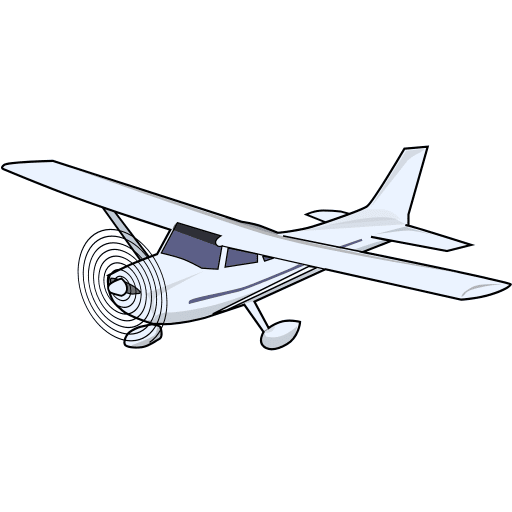
Climbing by reference to instruments with a light aircraft ascending and flight instruments showing climb indications.
Pre-Flight Lesson Instrument Flying

Climbing by reference to instruments means controlling the airplane's climb using flight instrument indications rather than outside visual references.

During an instrument climb, the pilot must control pitch, power, and heading while monitoring airspeed, altitude, and vertical speed. A proper instrument cross-check makes it possible to recognize changes and maintain the desired climb.

This lesson builds on Straight-and-Level Flight by Reference to Instruments . If you need to review the basic visual flying techniques before continuing, see the Climbing Pre-Flight Lesson .

Lesson Objective

Learn how to establish and maintain a climb by reference to instruments, understand the differences between constant-airspeed and constant-rate climbs, and perform an accurate level-off at an assigned altitude.

01 Enter the Climb

Establish an appropriate climb attitude and power setting while maintaining the desired heading.

02 Maintain the Climb

Use the instrument cross-check to maintain either the selected airspeed or the desired vertical speed.

03 Level Off Accurately

Anticipate the target altitude and transition smoothly to straight-and-level instrument flight.

Why This Skill Matters

Instrument climbs are essential when outside visual references are limited or unavailable. Precise instrument control helps the pilot maintain the intended flight path, recognize deviations early, and reach the assigned altitude without unnecessary corrections.

Instrument Climbing: Airspeed and Vertical Speed

When climbing by reference to flight instruments, the pilot establishes a suitable pitch attitude and power setting to gain altitude while maintaining a safe airspeed and the desired heading.

Two common techniques are used: constant-airspeed climbs and constant-rate climbs. The difference is the flight performance the pilot wants to maintain.

Airspeed is the target Constant-Airspeed Climb

The pilot maintains a selected indicated airspeed while climbing. The resulting vertical speed may vary with altitude, available power and aircraft performance.

Vertical speed is the target Constant-Rate Climb

The pilot maintains a selected rate of climb, provided the airplane has sufficient performance and can maintain a safe airspeed.

The Main Instruments Used During a Climb

Four instruments are especially important during a straight instrument climb. Together, they show the airplane's attitude, airspeed, heading and rate of climb.

Aircraft attitude indicator showing pitch and bank attitude

Attitude Indicator (AI)

Shows the airplane's pitch and bank attitude. It provides the reference needed to establish and maintain a climbing attitude without an outside horizon.

Analog aircraft airspeed indicator

Airspeed Indicator (ASI)

Shows indicated airspeed. It is the principal performance reference for maintaining a constant-airspeed climb.

Aircraft heading indicator

Heading Indicator (HI)

Shows the airplane's heading. It helps the pilot maintain the intended direction during the climb.

Vertical Speed Indicator showing the rate of climb or descent

Vertical Speed Indicator (VSI)

Shows the rate of climb or descent in feet per minute. It is the principal performance reference for maintaining a constant-rate climb.

Also Monitor Altitude and Engine Power

The altimeter shows the altitude gained and progress toward the assigned altitude. The tachometer or manifold pressure gauge, as applicable, confirms the engine power setting.

Climb performance depends on available power, weight, altitude and atmospheric conditions. A selected climb rate must always remain within the airplane's capabilities.

Key Point

During an instrument climb, the AI provides the climbing attitude, the ASI shows airspeed, the HI shows heading and the VSI shows vertical speed. The next chapter explains how to combine these indications into an effective climb cross-check.

Flight Instruments and Climb Cross-Check

During an instrument climb, the pilot must compare the flight instruments to confirm that the airplane is maintaining the desired attitude, airspeed, heading and climb performance.

A good cross-check is based on three simple questions.

01

What Information Do I Need?

During a straight climb, you need to monitor:

Pitch
Airspeed
Altitude
Heading

Also monitor the rate of climb and engine power. The amount of attention given to each indication depends on the type of climb being performed.

02

Which Instruments Give Me the Needed Information?

Use the attitude indicator as a reference and compare it with the instruments showing the airplane's performance. The diagram below illustrates the main comparisons during a straight climb.

Straight-climb scan diagram showing the attitude indicator linked to the airspeed indicator, heading indicator, vertical speed indicator, altimeter, turn coordinator and engine RPM
Straight-climb instrument scan. The red arrows highlight the three comparisons explained below.
AI ↔ ASI
Check Pitch Against Airspeed

Compare the climbing attitude with the indicated airspeed. In a constant-airspeed climb, the ASI shows whether the selected pitch attitude and power are producing the desired speed.

AI ↔ HI
Check Bank Against Heading

Compare the attitude indicator with the heading indicator. During a straight climb, the airplane should remain wings-level and maintain the selected heading.

AI ↔ VSI
Check Pitch Against Vertical Speed

Compare the climbing attitude with the rate of climb. In a constant-rate climb, the stabilized VSI indication shows whether the selected climb rate is being maintained.

Additional Checks During the Climb

The altimeter should show increasing altitude, while the tachometer or manifold pressure gauge should show the intended climb power. Continue checking these indications throughout the climb.

03

Is the Information Reliable?

Before reacting to an unexpected indication, check whether it agrees with the other instruments.

Check the Heading

A changing heading indicator (HI) may indicate that the airplane is turning, but a traditional heading indicator can also drift.

Check the turn coordinator (TC) to see whether the airplane is turning. Use the magnetic compass to verify the heading during suitable steady, unaccelerated flight.

Check the Rate of Climb

If the VSI indicates a steady climb, the altimeter should show that the airplane is gaining altitude.

Remember that a conventional VSI may respond slowly after a change in pitch. Observe the trend before deciding that a correction is necessary.

Adjust Your Scan to the Climb

Constant-airspeed climb: Give more frequent attention to the AI–ASI comparison while maintaining heading and monitoring the resulting climb performance.

Constant-rate climb: Give more frequent attention to the AI–VSI comparison while monitoring the ASI to ensure that the selected climb rate can be maintained safely.

Key Point

During a climb, compare the AI with the ASI, HI and VSI. Confirm unexpected heading indications with the turn coordinator and magnetic compass, and check the vertical-speed indication against the altimeter. Concentrate on the performance required for the climb without losing the overall instrument scan.

Constant-Airspeed Climb: Entry and Stabilization

In a constant-airspeed climb, the pilot establishes a climbing attitude and suitable engine power, then maintains the selected indicated airspeed. During the maneuver, the role of the instruments changes as the airplane moves from climb entry to a stabilized climb.

Entering and Stabilizing the Climb — Step by Step

The following procedure begins in straight-and-level flight at cruising airspeed. Use the appropriate climb airspeed, power setting and configuration for your airplane.

01 Establish
Set Climb Attitude and Power

Smoothly increase pitch with the elevator while setting the appropriate climb power. Use the attitude indicator (AI) to establish an initial nose-high attitude.

Maintain the desired heading during the transition.

Instrument Focus

AI: pitch attitude. HI: heading. Tachometer / MP: climb power.

02 Adjust
Allow Airspeed to Reach the Target

As the airplane climbs, the airspeed normally decreases from cruise speed toward the selected climb speed.

Watch the airspeed indicator (ASI). As the target approaches, make a small pitch adjustment to prevent the airspeed from decreasing below the desired value.

Instrument Focus

ASI: approaching the selected airspeed. AI: pitch adjustments.

03 Trim
Reduce Elevator Pressure

Once the desired airspeed and climbing attitude are established, adjust elevator trim to relieve sustained control pressure.

Continue holding the flight controls as needed. Trimming should not change the intended climb condition.

Instrument Focus

ASI: selected airspeed remains steady. AI: climbing attitude remains stable.

04 Maintain
Confirm the Stabilized Climb

Use small elevator corrections to maintain the selected indicated airspeed. Confirm that the heading remains steady and the intended power setting is maintained.

The vertical speed indicator (VSI) shows the climb rate achieved. That rate may change even when airspeed remains constant.

Instrument Focus

ASI: airspeed performance. HI: heading. VSI: resulting climb rate.

Instrument Indications During a Stabilized Climb

When the airplane reaches the selected climb airspeed, the airspeed indicator (ASI) becomes the primary instrument for pitch performance. If the airspeed changes, make a small pitch correction and allow the airplane to stabilize before adjusting again.

The heading indicator (HI) remains primary for bank performance, helping the pilot maintain a straight climb. The appropriate engine instrument is primary for power and confirms that the intended climb power is maintained.

Continue using the attitude indicator (AI) to monitor the nose-high attitude. The vertical speed indicator (VSI) shows the climb rate achieved, while the altimeter confirms that altitude is increasing.

Example of a Selected Instrument Scan
AI ASI AI HI AI ALT AI

Return frequently to the attitude indicator. Give the ASI particular attention when maintaining the selected climb airspeed.

AI Pitch and bank: confirm the climbing attitude and keep the wings level while making small pitch corrections.
ASI Airspeed: verify that the selected climb speed remains steady. A sustained change may require a pitch correction.
HI Heading: check that the airplane maintains the selected heading throughout the climb.
ALT Altitude: confirm that altitude continues to increase toward the selected level-off altitude.

The VSI shows the climb rate achieved. The tachometer or manifold pressure gauge confirms the intended power setting, while the turn coordinator provides supporting information about turning and coordination.

Constant-airspeed climb during instrument flight training
What If the Airplane Is Already at Climb Airspeed?

If the airplane is already flying straight and level at the selected climb airspeed, there is no need to wait for it to decelerate from cruising airspeed.

Establish the climbing attitude on the AI while setting climb power. Then verify that the ASI remains at the selected value as the climb develops. Trim once the flight condition is stable.

Maintaining the Selected Airspeed

With the correct climb power established, maintain the selected airspeed through small elevator adjustments.

ASI Above the Target

The airplane is flying faster than the selected climb speed. Gently increase pitch, allow the airspeed to respond, and return to a stable climbing attitude.

ASI Below the Target

The airplane is flying slower than the selected climb speed. Gently reduce pitch to recover airspeed. Check the power setting if the expected response does not occur.

Key Point

During climb entry, use the AI to establish pitch attitude. As the airplane reaches the selected climb speed, use the ASI to maintain airspeed. Maintain heading, confirm climb power and trim after the climb is established.


Constant-Rate Climb: Entry and Stabilization

In a constant-rate climb, the pilot maintains a selected rate of climb rather than a fixed airspeed. The vertical speed indicator (VSI) provides the main reference for pitch performance, while the airspeed indicator (ASI) helps the pilot monitor the effect of engine power on airspeed.

Entering and Stabilizing the Climb — Step by Step

Begin in straight-and-level flight. Select a rate of climb that the airplane can maintain safely, considering available engine power and aircraft performance.

01 Establish Climb Attitude

Increase power as required and smoothly raise the nose to an appropriate climbing attitude. Use the attitude indicator (AI) to establish the initial pitch attitude.

Maintain wings level and keep the airplane on the selected heading as the climb begins.

Instrument Focus

AI: initial pitch attitude. HI: heading. RPM / MP: power setting.

02 Adjust the Climb Rate

As the airplane begins climbing, check the VSI to see the developing rate of climb. Compare its indication with the selected rate.

If the stabilized climb rate is too low, gently increase pitch using the AI, provided the airspeed remains safe. If the climb rate is too high, slightly reduce pitch. Allow time for the VSI to respond before making another correction.

Instrument Focus

VSI: rate of climb. AI: pitch corrections. ASI: safe airspeed.

03 Control Airspeed

Once the selected climb rate is established, monitor the ASI. If airspeed decreases below the desired value, increase power if additional power is available and appropriate.

If the airplane cannot maintain both the selected climb rate and a safe airspeed, reduce the climb rate by lowering the nose. Never allow airspeed to become unsafe simply to maintain the selected VSI reading.

Instrument Focus

ASI: airspeed. RPM / MP: power. VSI: climb rate.

04 Stabilize and Trim

Confirm that the VSI is steady near the selected climb rate and the ASI indicates a safe, stable airspeed.

Maintain the desired heading, confirm that altitude is increasing and trim the airplane to relieve sustained elevator pressure without changing the established climb.

Instrument Focus

VSI: stable climb rate. ASI: airspeed. HI: heading. ALT: altitude.

Instrument Indications During a Constant-Rate Climb

Pitch control — VSI and AI: Once the climb is stabilized, use the VSI to determine whether the airplane is maintaining the selected climb rate. Use the AI to make small pitch adjustments and establish the attitude required for that rate.

Power control — ASI and engine instruments: Monitor the ASI to determine whether airspeed is remaining at the desired value. Adjust power as necessary and within the airplane's limitations. A constant climb rate must not be maintained at the expense of safe airspeed.

Bank control — HI: During a straight climb, use the HI to maintain the selected heading. Check the AI for unintended bank, and confirm that the altimeter shows increasing altitude.

Example of a Selected Instrument Scan
AI VSI AI ASI AI HI AI

Return frequently to the attitude indicator. Give the VSI particular attention for climb-rate performance while monitoring airspeed for safety.

AI Pitch and bank: maintain the climbing attitude, make small pitch corrections and keep the wings level.
VSI Climb rate: compare the stabilized indication with the selected rate of climb. Allow for the response delay of a conventional VSI.
ASI Airspeed: check that airspeed remains appropriate while climbing at the selected rate.
HI Heading: verify that the airplane maintains the selected heading without an unintended turn.

The altimeter should show increasing altitude. Use the tachometer or manifold pressure gauge to check engine power, and the turn coordinator to monitor turning and coordination.

Allow for VSI Response Time

A conventional VSI responds with a delay when the airplane's rate of climb changes. If you make another pitch adjustment before the indication has settled, you may overcorrect.

Use the AI to make a small pitch change, maintain the new attitude, then check the VSI again. Continue monitoring the ASI throughout the correction.

Correcting the Rate of Climb

Once the climb is established, use small pitch corrections to maintain the selected vertical speed. Always check the effect on airspeed.

VSI Below the Target

If airspeed and available power permit, gently increase pitch and allow the VSI to respond.

If the airplane cannot achieve the desired climb rate while maintaining safe airspeed, reduce the selected climb rate.

VSI Above the Target

Gently reduce pitch and allow the VSI indication to settle near the selected value.

Watch the ASI, since reducing pitch may increase airspeed. Adjust power if necessary.

Key Point

In a constant-rate climb, use the VSI for pitch performance, the ASI for power performance, and the HI for bank performance. Make small corrections, allow the VSI to respond, and always maintain a safe airspeed.

Pilot Resources

Pilot Supplies & Training Essentials

Explore Pilot Mall →

Level-Off: Returning to Straight-and-Level Flight

At the end of a climb, the pilot must transition smoothly from a climbing attitude to straight-and-level flight. The goal is to reach the selected altitude without overshooting it, while maintaining the desired heading.

This requires coordinated changes in pitch and power. As the airplane levels off, the climb rate decreases toward zero and airspeed may begin to increase.

Level-Off Procedure — Step by Step

01 Prepare for Level-Off

As the airplane approaches the assigned altitude, check the altimeter (ALT) and the current climb rate shown on the vertical speed indicator (VSI).

Use these indications to determine when to begin the transition. Do not wait until the altimeter reaches the exact target altitude before starting the level-off.

Instrument Focus

ALT: remaining altitude. VSI: current rate of climb.

02 Reduce the Pitch Attitude

At the appropriate lead altitude, smoothly lower the nose toward the level-flight attitude shown on the attitude indicator (AI).

Monitor the altimeter as the airplane approaches the target altitude. The VSI should gradually move toward zero as the climb is reduced.

Instrument Focus

AI: pitch adjustment. ALT: approaching target altitude. VSI: decreasing climb rate.

03 Adjust Engine Power

As the airplane transitions to level flight, it may accelerate because less power is required to maintain altitude than to climb.

Monitor the airspeed indicator (ASI) and adjust power at the appropriate time to establish the desired level-flight airspeed. The exact timing depends on the airplane and its recommended procedures.

Instrument Focus

ASI: airspeed trend. RPM / MP: engine power. ALT: altitude control.

04 Stabilize and Trim

Use small pitch adjustments to maintain the selected altitude. Confirm that the VSI is near zero and the heading indicator (HI) remains on the selected heading.

Once the desired altitude and airspeed are stable, adjust elevator trim to relieve sustained control pressure.

Instrument Focus

ALT: constant altitude. VSI: near zero. HI: heading. ASI: stabilized airspeed.

When Should You Begin the Level-Off?

A useful starting point is to begin leveling off at an altitude approximately equal to 10% of the current rate of climb, expressed in feet per minute.

500 ft/min climb → begin about 50 ft early

This is a rule of thumb, not a fixed procedure. The correct lead depends on the airplane's response, the rate of climb and how smoothly the pilot reduces the pitch attitude.

Instrument Cross-Check During the Level-Off

During a level-off, the instrument scan changes from monitoring climb performance to maintaining the assigned altitude and heading. Three questions help organize the cross-check.

1. What Information Do I Need?

Altitude and heading. The airplane must reach and maintain the assigned altitude without changing its intended direction. Airspeed must also be monitored during the transition.

2. Which Instruments Give Me the Needed Information?

The ALT shows altitude, and the HI shows heading. Use the AI to establish the level-flight attitude, the VSI to monitor the reduction in vertical speed, and the ASI to follow airspeed.

3. Is the Information Reliable?

Compare the altimeter trend with the VSI. When level flight is established, altitude should remain steady and vertical speed should be approximately zero. Check for unintended turning with the turn coordinator, and periodically compare a traditional HI with the magnetic compass during suitable steady flight.

Example of a Selected Instrument Scan
AI ALT AI HI AI VSI AI

Return frequently to the attitude indicator. Give the altimeter particular attention as the assigned altitude approaches.

AI Pitch and bank: confirm the transition toward the level-flight attitude while keeping the wings level.
ALT Altitude: monitor the remaining altitude before level-off and confirm that the selected altitude remains steady afterward.
HI Heading: verify that the airplane maintains its selected heading while pitch and power are adjusted.
VSI Vertical speed: confirm that the climb rate decreases toward zero. Remember that a conventional VSI responds with a delay.

The ASI shows the airspeed change during the level-off. Continue checking engine power as the airplane accelerates toward its desired level-flight speed.

Correcting Level-Off Deviations

Small corrections may be needed as the airplane transitions to level flight. Use the altimeter to recognize the altitude trend and the AI to make controlled pitch adjustments.

Altitude Still Increasing

If the airplane continues climbing toward or above the selected altitude, smoothly reduce pitch as needed to arrest the climb.

Monitor the altimeter closely and establish the correct level-flight attitude without making abrupt control inputs.

Altitude Decreasing

If the airplane begins descending below the selected altitude, make an appropriate pitch correction to arrest the descent.

Check the airspeed and power setting, then return smoothly to the assigned altitude and stabilize the airplane.

Key Point

Begin the level-off before reaching the selected altitude. Use the AI to control pitch, the ALT to maintain altitude, and the HI to maintain heading. Monitor vertical speed and airspeed during the transition, adjust power as required, and trim once straight-and-level flight is established.

Instrument Flying Practice

Climb Deviations, Practice and Review Questions

During a climb, the instruments may show a change in airspeed, vertical speed, heading or altitude. You must recognize the developing trend, understand what it means and make the appropriate correction.

Read each instrument situation below. Compare the indications and decide what the pilot should do before opening the explanation.

Practice: Read the Instrument Picture

01
Practice Scenario Airspeed Falling During a Constant-Airspeed Climb

You are climbing on a heading of 270°, maintaining a selected airspeed of 85 KIAS. The engine power setting has not changed, but the instruments begin to show a deviation.

Instrument Indications
ASI
85 → 78 KIAS, decreasing.
VSI
Climb rate increasing toward +700 fpm.
AI
A higher nose-up attitude than previously established.
HI
Steady at 270°.
POWER
Climb power setting unchanged.
Your Task

Is the airplane still maintaining the selected climb airspeed?

Which indication should guide the pitch correction? Should the pilot try to maintain the higher VSI reading?

Show Explanation

The airplane is no longer maintaining its selected climb airspeed.

The ASI shows that airspeed is decreasing. The higher nose-up attitude is consistent with this change.

The pilot should smoothly reduce pitch to recover the selected airspeed while maintaining the appropriate power setting and heading.

The increased VSI reading is not the target in a constant-airspeed climb. Do not sacrifice airspeed simply to maintain a higher climb rate.

02
Practice Scenario Climb Rate Maintained, but Airspeed Decreasing

You are performing a constant-rate climb at 600 feet per minute. The selected climb airspeed for this exercise is 85 KIAS. The airplane is already using the maximum approved power available for the climb.

Instrument Indications
VSI
Steady near +600 fpm.
ASI
85 → 77 KIAS, continuing to decrease.
AI
Steady nose-up climbing attitude.
ALT
Altitude increasing.
POWER
No additional approved climb power available.
Your Task

The selected climb rate is being maintained, but airspeed continues to decrease. Is the airplane's performance satisfactory?

What should the pilot do when no additional engine power is available?

Show Explanation

No. Maintaining the selected VSI indication is not enough.

The decreasing airspeed shows that the airplane cannot sustain the present combination of climb rate and airspeed under these conditions.

Because additional power is unavailable, the pilot must reduce pitch as needed to recover and maintain a safe airspeed. This will require accepting a lower rate of climb.

A selected vertical speed is a performance target, not a reason to fly at an unsafe airspeed.

03
Practice Scenario Approaching the Level-Off Altitude

You are climbing toward an assigned altitude of 6,000 feet. The airplane is maintaining a steady climb rate, and the instruments show the following indications.

Instrument Indications
ALT
5,940 ft, increasing.
VSI
Steady near +600 fpm.
AI
Established nose-up climbing attitude.
HI
Steady at 315°.
ASI
Stable at 90 KIAS.
Your Task

Using the usual level-off rule of thumb, is it time to begin the transition to straight-and-level flight?

Which instruments should receive particular attention during the level-off?

Show Explanation

Yes. The airplane is approximately at the calculated lead altitude.

Ten percent of 600 feet per minute gives a starting lead of approximately 60 feet. The airplane is now 60 feet below the assigned altitude.

The pilot should smoothly reduce pitch toward the level-flight attitude while monitoring the altimeter and the decreasing VSI indication.

Maintain heading on the HI, coordinate the power adjustment with the changing airspeed, and trim after straight-and-level flight is established.

The 10% rule is an initial guide. Actual timing depends on aircraft response and the prevailing conditions.

Review Questions

Test your understanding of instrument climbing. Try answering each question before opening the explanation.

01 What are the four main flight instruments used during a straight climb?

The attitude indicator (AI), airspeed indicator (ASI), heading indicator (HI), and vertical speed indicator (VSI). The altimeter and engine instruments also provide important supporting information.

02 What is the difference between a constant-airspeed climb and a constant-rate climb?

In a constant-airspeed climb, the pilot maintains a selected indicated airspeed while the rate of climb may vary. In a constant-rate climb, the pilot maintains a selected vertical speed while monitoring airspeed and available power.

03 What are the three questions used to organize an instrument scan during a climb?

What information do I need? Which instruments give me that information? Is the information reliable? These questions help the pilot select and compare the relevant indications.

04 Which instrument is primary for pitch performance during a stabilized constant-airspeed climb?

The airspeed indicator (ASI). The pilot uses the attitude indicator to make pitch adjustments, then checks the ASI to determine whether the selected airspeed is maintained.

05 Which instruments are primary for pitch, bank and power performance during a stabilized constant-rate climb?

The VSI is primary for pitch performance, the HI for bank performance, and the ASI for power performance. The AI remains the direct reference for pitch and bank attitude.

06 How can a pilot check the reliability of heading and vertical-speed indications?

Check the turn coordinator for signs of an unintended turn and periodically compare a traditional HI with the magnetic compass during suitable steady flight. Compare the VSI with the altimeter to confirm a consistent climb trend.

07 What should a pilot do if the selected climb rate cannot be maintained at a safe airspeed?

Use additional appropriate power if available. If sufficient power is not available, reduce the pitch attitude and accept a lower climb rate. Maintaining a safe airspeed takes priority over the selected VSI indication.

08 What rule of thumb can help determine when to begin leveling off from a climb?

Begin the level-off approximately 10% of the current climb rate, expressed in feet per minute, before reaching the assigned altitude. For example, at 600 fpm, this gives a starting lead of approximately 60 feet. Adjust the timing for the airplane and conditions.

Training Note

Do not react to every small movement of an instrument needle. Compare the relevant indications and look for a developing trend before making a correction.

During instrument training, practice recognizing the difference between a change in pitch attitude, a change in flight performance and a delayed instrument response. Make smooth corrections and check the result.

Key Point

Accurate instrument climbing requires a clear understanding of the relationship between pitch, power, airspeed and vertical speed.

Read the instruments, identify the deviation, make a small correction and verify the result. Maintain a safe airspeed and the desired heading throughout the climb and level-off.

error:
Study flight
Logo